

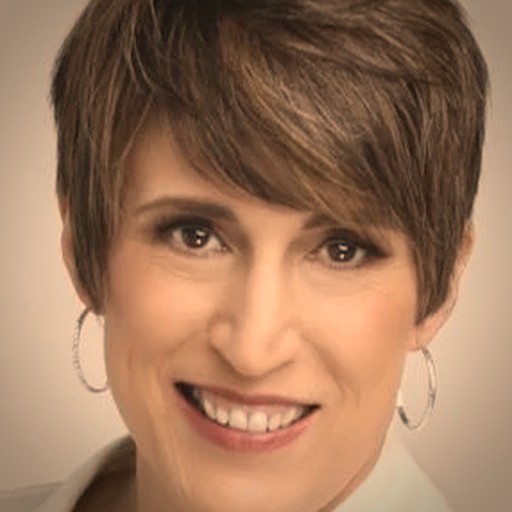
I was introduced to Nonviolent Communication (NVC) in the summer of 2020. As a professional social worker, I was part of a grant project based in nursing homes. A colleague and I were discussing a care plan for a woman who lived in a nursing home community. My colleague commented that the care plan was “violent,” and I distinctly recall feeling shocked by her words and asking what she meant. She told me about NVC and sparked something in me that day. I immediately bought Marshall Rosenberg’s book, Nonviolent Communication: A Language of Life , and started learning.
A couple of years before I was introduced to NVC, I had started working with local and national groups in the US to integrate Person-Centered Trauma-Informed (PCTI) care in nursing home settings. PCTI care recognizes the pervasive nature of trauma and integrates principles and practices to promote healing and recovery. PCTI care and NVC align beautifully on values including trust, transparency, safety, choice, collaboration, and culturally responsive care that accounts for historical and gender issues.
In collaboration with Certified Trainer and mentor, Aya Caspi, we discovered that NVC provides strategies to bring PCTI care to life at the bedside and throughout the organization. Making this connection was a turning point for me, and it’s what motivates me to be a catalyst that ignites a change movement in healthcare settings.
With real-life scenarios from work and home, I bring NVC practices to life in creative and interactive workshops and in-services. My aim is to radically shift the way we think and use language in everyday situations to enhance the quality of our relationships with co-workers, residents, patients, and their families.
As a nationally recognized speaker and facilitator, I’ve given over 400 presentations to more than 115 organizations and associations across the country, including a national behavioral health group with over 500 providers, grand rounds at two schools of medicine, keynote presentations at national and state conferences, guest lectures for master’s level programs, and numerous state healthcare associations.
My teaching style is grounded in humility with an “I’m in this with you” and “Yes, you make sense” approach. With warmth, gentle humor, playfulness, and a willingness to be “messy,” I strive to create a welcoming environment when I teach.
The majority of my practice now focuses on Nonviolent Communication and Person-Centered and Trauma-Informed care. Below are some of my presentation titles:
Listen to a podcast with Paige hosted by Virginia Commonwealth University on their Aging for All website, Bringing Trauma-Informed Principles Alive with Nonviolent Communication – Aging for ALL .