

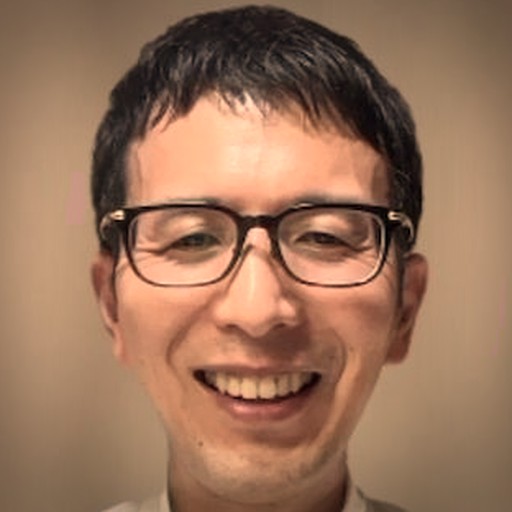
Even before I encountered Nonviolent Communication (NVC), I had long been interested in how we can work with conflict and disagreement. At university, I studied international politics, wanting to look at politics not only as a matter of institutions and power, but also as a human activity. Later, I encountered various thinking tools, which deeply supported me in organizing complex problems and conflicts, and in making them clearer and more workable.
Even so, I had not yet fully found a path to connect with the wishes within myself and with what truly mattered to me. NVC showed me that path. Through listening to feelings and needs, I began to touch my own wishes and to look toward the humanity beneath conflicts with others. For me, NVC is not simply a technique for resolving conflict; before that, it is a practice of connecting more honestly with my own life and the life of others.
Based on what I have learned and experienced so far, I would like to create spaces where participants can explore together while valuing the foundations of NVC: observations, feelings, needs, and requests. I would also like to include bodily awareness, awareness of the present moment, connecting with one’s own wishes, and restoring relationships within conflict.
As a trainer, I value creating learning spaces that are safe and sincere. For that, I feel it is essential to work carefully with boundaries. Setting a boundary is not about cutting off connection; it can be a starting point for caring for oneself while connecting more fully with others. Also, because the words of NVC and empathy have the power to touch deeply into another person’s inner world, I want to honor each person’s pace, consent, and freedom not to speak, and to be careful not to step in too far without awareness.
I would like to open such learning spaces in the form of foundational courses, reading groups, practice groups, dialogue spaces, individual sessions, and other forms. Whether someone is learning NVC for the first time or has been continuing their learning for some time, I hope to offer opportunities for people to connect with themselves at their own pace and to look again at their relationships with others.
When sharing NVC, I do not want to rely only on my own understanding. I want to continue learning from the resources that CNVC has cultivated over many years, and from the wisdom of practitioners around the world. With respect for what those before us have built, I want to bring that together with my own lived experience and continue exploring the forms of learning that are needed here and now.
A “quiet time” that arises through NVC. A time in everyday life to connect with oneself in a small and gentle way. To cherish that time as a small celebration, and for that time to become a strength that helps us continue walking quietly from tomorrow onward. I hope to share such time with many people.
私は、NVCに出会う前から、対立や葛藤をどのように扱うことができるのかに関心を持ってきました。大学では国際政治学を学び、政治を制度や権力だけでなく、人間の営みとして見つめたいと思っていました。その後、さまざまな思考ツールに触れ、複雑な問題や対立を整理し、より明晰に扱いやすくしていく方法に深く助けられました。
それでもなお、自分自身の内側にある願いや、本当に大切にしたいことにつながる道筋を、十分には見つけられていませんでした。NVCは、私にその道筋を示してくれました。感情やニーズに耳を傾けることを通して、自分自身の願いに触れ、他者との対立の奥にある人間らしさに目を向けること。私にとってNVCは、対立を解消するための技法である以前に、自分と他者のいのちにより誠実につながるための実践です。
これまでの学びと経験を踏まえて、観察、感情、ニーズ、リクエストというNVCの基礎を大切にしながら、身体感覚、今この瞬間の気づき、自分の願いにつながること、そして対立の中で関係を修復していくことを、参加者と共に探求する場をつくりたいと願っています。
トレーナーとして、私は安全で誠実な学びの場をつくることを大切にしています。そのためには、境界線を丁寧に扱うことが不可欠だと感じています。境界線を引くことは、つながりを断つことではなく、自分自身を大切にしながら他者とよりよくつながるための出発点です。また、NVCや共感の言葉は、相手の内側に深く触れる力を持つからこそ、相手のペース、同意、話さない自由を尊重し、無自覚に踏み込みすぎないことも大切にしています。
そのような学びの場を、基礎講座、読書会、練習会、対話の場、個人セッションなどの形で開いていきたいと考えています。NVCを初めて学ぶ人にも、学びを続けている人にも、それぞれのペースで自分自身とつながり、他者との関係を見つめ直す時間を持ってもらえたらと願っています。
また、NVCを分かち合うとき、私は自分ひとりの理解だけに頼るのではなく、CNVCが長年培ってきたリソースや、世界中の実践者たちの知恵から学び続けたいと思っています。先人たちが積み重ねてきたものに敬意を持ちながら、自分自身の体験とも照らし合わせ、今ここで必要とされる学びの形を探求していきたいです。
NVCを通して生まれる「静かな時間」。日常の中で、ささやかに自分とつながる時間を持つこと。それを小さなお祝いのように大切にし、その時間が、明日以降も静かに歩いていく力になること。そんな時間を多くの人と分かち合っていきたいと願っています。