

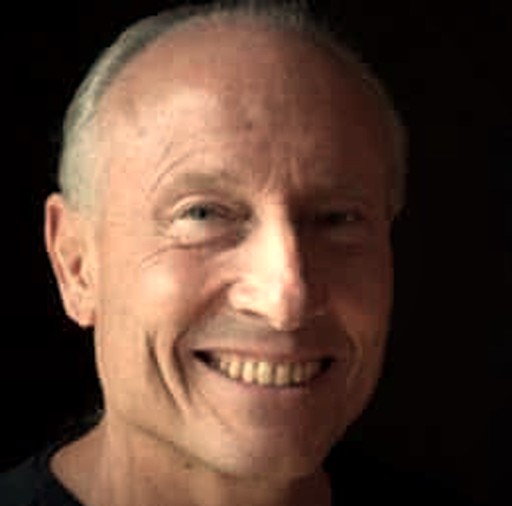
Join Dr. Keith Witt and Corey deVos in this expansive and enlightening episode as they dive deep into the heart of integral psychology. Together, they explore the defining characteristics of Teal and Turquoise approaches to psychotherapy, offering practical insights into what makes these stages of development transformative for both clients and practitioners. This episode dives straight into the profound questions shaping integral psychotherapy today, as Corey and Keith explore how psychology evolves from its roots in the Orange
stage to the construct-aware insights of Teal and Turquoise. With warmth and depth
, they reflect on how integral theory
provides a unifying framework for understanding the complexities of human development, offering practical insights into personal growth and therapeutic practice. Here’s what you’ll discover in this episode: You’ll also hear thoughtful reflections on: Dr. Witt masterfully connects theory and practice, sharing personal anecdotes and tangible advice for therapists and clients alike. Whether you’re an experienced practitioner, a therapy enthusiast, or simply curious about how to live with greater depth and alignment, this episode offers a roadmap for navigating the complexities of human development with grace and love.
Therapy evolves with development. At higher stages
like Teal
and Turquoise
, therapy remains essential, shifting from problem-solving to cultivating wholeness, love, and optimal engagement with life’s processes.
Therapy integrates multiple frameworks. Integral therapists weave diverse schools of psychology into a dynamic system that adapts to the client’s unique needs, rejecting “one-size-fits-all” approaches.
Development is ongoing, never static. Every stage of growth introduces new blind spots and challenges, with each level’s limitations driving movement toward the next.
Therapy is for everyone, not just the struggling. At advanced stages, therapy becomes a tool for deepening self-actualization, alignment, and personal wholeness, no matter how “healthy” a person may already be.